


Outdoor living projects are designed to improve how a property looks, feels, and functions. A patio creates space to gather. A walkway improves access. A yard upgrade makes the property more usable and easier to enjoy.
What many homeowners do not realize is that the long-term success of these projects depends on something less visible than the finished surface. It depends on drainage.
Drainage is what helps move water away from the areas you use every day. When it is planned correctly, it protects the structure, appearance, and lifespan of the entire project. When it is overlooked, even a well-built outdoor space can begin to show problems much sooner than expected.
If you are planning an outdoor living project, drainage should be part of the conversation from the very beginning.
Why Drainage Is the Base Layer of a Successful Outdoor Project
Drainage is not an extra feature. It is part of the foundation of good outdoor construction.
Any exterior surface is exposed to water. Rainfall, irrigation, runoff, and changing ground conditions all affect how moisture moves across a property. If that water has nowhere to go, it begins to collect in places where it can create damage.
This matters for:
- Patios
- Walkways
- Retaining areas
- Yard grading
- Outdoor gathering spaces
- Driveways
A finished patio may look level and clean on installation day, but if the base preparation and drainage plan are incomplete, water can begin working against the structure right away.
Proper drainage helps control where water flows, how quickly it moves, and whether it drains away from the home and outdoor features as intended. That is why it should be treated as a core part of the project, not as a last-minute correction.
What Happens When Drainage Is Done Wrong
Drainage problems often begin quietly. At first, the signs may seem minor. A small puddle after rain. Soil washing into the edge of a walkway. Water is sitting near the patio longer than expected.
Over time, those issues can become much more expensive.
Poor drainage can lead to:
- Standing water on patios or walkways
- Surface erosion in the yard
- Soil movement beneath hardscape areas
- Cracking, shifting, or settling pavers
- Water intrusion near the home’s foundation
- Muddy or unusable lawn areas
In colder climates, the risk becomes even greater. Water that seeps into small gaps can freeze and expand. That freeze-thaw cycle puts added stress on pavers, joints, edges, and surrounding materials.
Drainage problems also affect usability. An outdoor space should feel comfortable and dependable. If homeowners are dealing with soggy grass, slippery surfaces, or recurring puddles, the space becomes harder to enjoy and maintain.
In many cases, the visible issue is only the result of a larger drainage imbalance underneath.
Key Drainage Solutions for Patios, Walkways, and Yards
There is no single drainage solution that works for every property. The right approach depends on the layout, slope, soil conditions, and type of outdoor project being installed.
That said, several drainage strategies are commonly used to support long-term performance.
Grading and Slope Planning
One of the most important parts of drainage is proper grading. This means shaping the surface so water flows away from structures and does not collect in low areas.
A patio or walkway should not appear dramatically sloped, but it should be designed with enough pitch to guide water in the right direction.
Base Preparation Beneath Hardscape Surfaces
A strong base does more than support weight. It also helps with water movement and stability.
For patios and walkways, proper excavation and base installation reduce the likelihood of settling and pooling. Without that preparation, even a good-looking hardscape can become uneven over time.
Drainage Channels and Collection Points
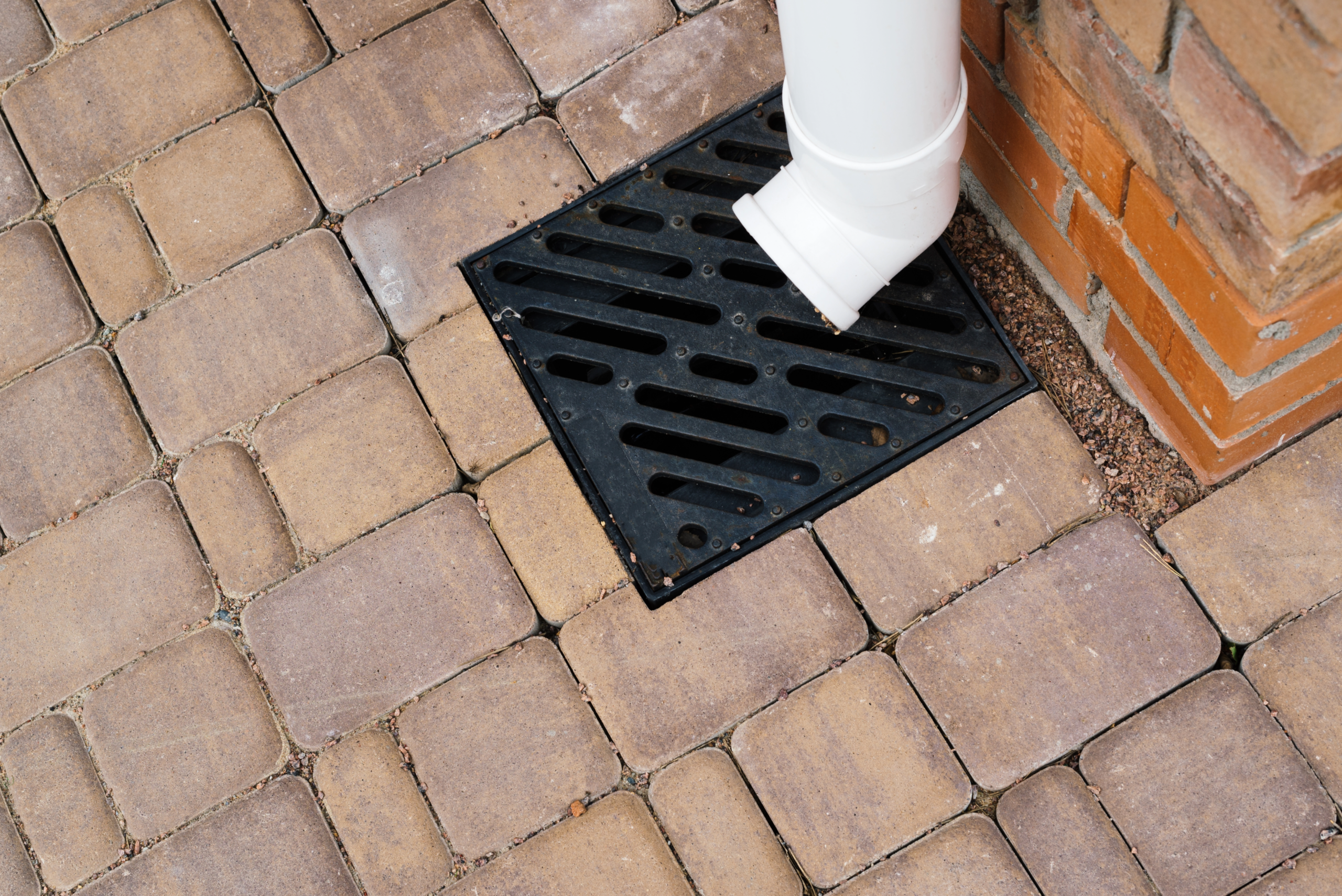
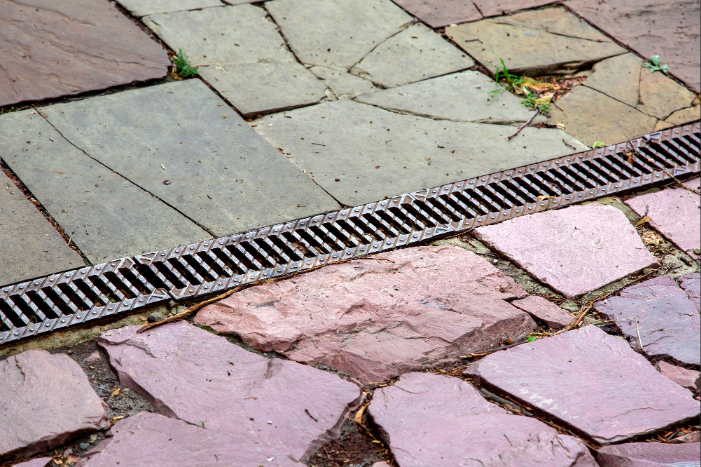
In some projects, surface water needs to be collected and redirected using channel drains, catch basins, or similar systems. These are especially useful in areas where runoff naturally gathers or where multiple surfaces meet.
These features help control water before it becomes a standing-water issue.
Yard Drainage Improvements
For broader yard areas, drainage may involve swales, downspout extensions, regrading, or subsurface drainage solutions. The goal is to keep water moving instead of allowing it to saturate the lawn or collect near structures.
A good drainage plan looks at the property as a whole, not just one isolated feature.
How Proper Drainage Protects Your Investment Over Time
Outdoor living projects are an investment in both function and appearance. Homeowners want these improvements to last, and drainage plays a major role in making that possible.
When drainage is built into the project from the start, it helps protect:
- Surface stability
- Material lifespan
- Visual appearance
- Safety and walkability
- Nearby landscaping
- Foundation conditions around the home
It also reduces the likelihood of future repairs. Releveling pavers, rebuilding sections of a walkway, correcting erosion, or addressing water near the home can all become avoidable costs when drainage is handled properly the first time.
This is one of the clearest examples of value in outdoor construction. Good drainage may not be the first thing you notice, but it is often one of the reasons a project continues to perform well year after year.
Why Homeowners Should Plan Drainage From Day One
Drainage is much easier to address during the design and installation phase than after problems appear.
Once a patio is installed or a yard is finished, correcting drainage can require partial removal, regrading, additional labor, and new materials. That makes post-installation fixes more disruptive and more costly.
Planning drainage from day one allows the contractor to evaluate:
- Existing slope and runoff patterns
- Soil and grading conditions
- Water flow near the home
- Downspout discharge locations
- Low spots that may need correction
- How each outdoor feature affects the surrounding area
This creates a more complete project plan. Instead of focusing only on the visible finish, the project is built to function well in real conditions.
For homeowners, that means fewer surprises and more confidence in the finished result.
A Better Outdoor Space Starts Below the Surface
A well-designed outdoor area should do more than look attractive on completion day. It should continue to perform through changing weather, regular use, and seasonal rainfall.
That is why drainage deserves careful attention in every outdoor project. It protects the surfaces you see and the structure you do not. It helps prevent damage, supports long-term durability, and keeps outdoor areas more usable over time.
Whether you are planning a patio, walkway, or full yard improvement, drainage should be part of the initial strategy, not an afterthought.
Get a Quote for Your Property
One team. Multiple services. Less hassle.
Tell us a little about your property and we’ll follow up with a clear, no-pressure quote fast.
If you are planning an outdoor upgrade and want a team that considers both appearance and long-term performance, contact Umbrella Property Services to start the conversation.