


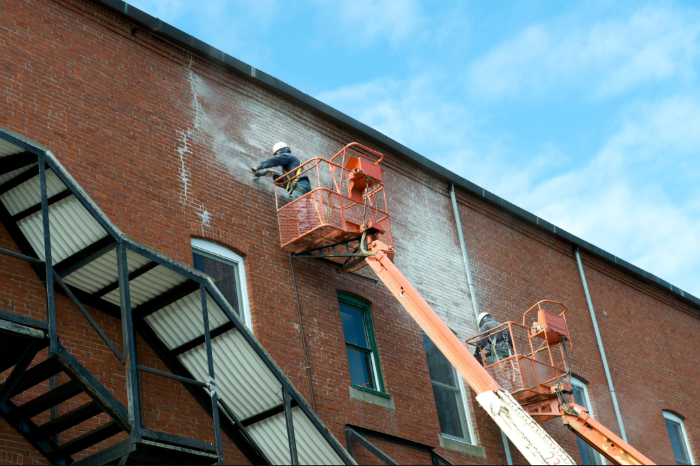
Aging commercial buildings can remain strong, functional, and valuable assets when they are managed with the right maintenance strategy. However, as building systems get older, day-to-day repairs often become more frequent, less predictable, and more expensive. For commercial property managers and owners in Chicagoland, this challenge is especially important because local climate conditions place steady pressure on building exteriors, mechanical systems, plumbing, roofing, doors, and paved surfaces throughout the year.
The Chicago area brings humid summers, freezing winters, heavy rain, snow, ice, and repeated freeze-thaw cycles. These conditions can accelerate wear on older buildings, especially when preventative maintenance is inconsistent. A minor leak, sticking door, aging HVAC component, or deteriorating exterior surface may seem manageable at first, but recurring issues often point to deeper system fatigue. The goal is not simply to repair what breaks. The goal is to understand where costs are increasing, identify patterns early, and make practical maintenance decisions before failures disrupt tenants or operations.
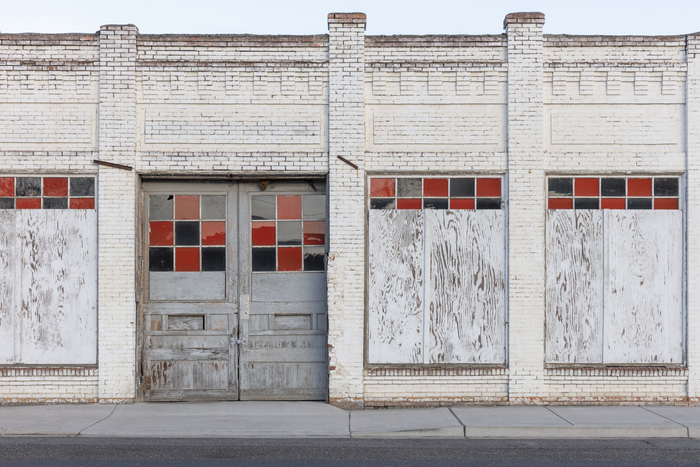
Why Older Building Systems Become More Expensive to Maintain
Every commercial building has systems that naturally become more costly as they age. HVAC units, plumbing lines, electrical components, roofing, exterior doors, windows, parking areas, and interior finishes all experience wear over time. In older buildings, replacement parts may be harder to source, systems may operate less efficiently, and repairs may take longer because existing conditions are more complex.
In Chicagoland, seasonal weather can make these costs more noticeable. Cold winters put stress on heating systems, door hardware, plumbing, roofs, and exterior surfaces. Humid summers increase cooling demand and can reveal ventilation or moisture control issues. Spring rain may expose drainage problems, while winter ice can create safety concerns around entries, sidewalks, and parking areas. When systems are already aging, each seasonal shift can increase the chance of repair calls.
Older systems also tend to affect each other. A roof leak may damage interior finishes. Poor drainage may impact pavement and entryways. An aging HVAC system may increase tenant comfort complaints and energy costs. These connected issues make it important to evaluate the property as a complete operating environment rather than a collection of separate repairs.
Recurring Repair Patterns Are Warning Signs
Recurring repairs are one of the clearest signs that a building needs a more proactive maintenance plan. If the same door needs adjustment every month, the same restroom fixture keeps failing, or the same HVAC zone generates repeated comfort complaints, the issue may not be isolated. It may be a sign of worn equipment, improper installation, environmental stress, or a system that is approaching the end of its useful life.
Property managers should track repeated service requests carefully. Patterns may appear across one building or across an entire portfolio. For example, frequent lighting failures may point to outdated fixtures or electrical concerns. Repeated plumbing issues may suggest aging pipes, pressure problems, or fixture deterioration. Ongoing exterior repairs may reflect drainage problems, poor sealing, or weather-related surface damage.
Documentation makes these patterns easier to identify. A clear service history helps property teams understand whether they are managing normal maintenance or spending money repeatedly on a problem that needs a larger solution. Without this visibility, repair costs can feel random and difficult to control.
Planning Upgrades Before Failures Occur
The most expensive maintenance problems often happen when aging systems fail without warning. Emergency service, tenant disruption, temporary repairs, and rushed replacement decisions can all increase costs. Planning upgrades before failure gives property owners more control over timing, budgeting, and vendor coordination.
Preventative assessments help identify which systems are stable, which need repair, and which should be considered for future replacement. HVAC units, roofing, plumbing fixtures, exterior doors, electrical panels, lighting systems, and parking surfaces should all be reviewed on a regular schedule. In Chicagoland, these reviews are especially useful before major seasonal changes, such as winter preparation and summer cooling demand.
Planned upgrades do not always mean full replacement. In some cases, targeted improvements can extend system life and reduce repair frequency. This may include sealing exterior openings, replacing worn door hardware, updating lighting, improving drainage, repairing roof penetrations, tuning HVAC equipment, or replacing high-failure fixtures. The right approach depends on the condition of the property, the age of the systems, tenant needs, and long-term ownership goals.
Balancing Repairs With Long-Term Budgeting
Not every aging system needs to be replaced immediately. Commercial property managers must balance repair costs with capital planning, occupancy needs, lease obligations, and long-term property value. The challenge is knowing when continued repairs are still practical and when they are creating avoidable expense.
A good budgeting strategy separates urgent repairs, preventative maintenance, and planned improvements. Urgent repairs address immediate safety or operational concerns. Preventative maintenance reduces wear and extends system life. Planned improvements address aging components before they create larger failures. When these categories are clearly defined, property teams can make more informed financial decisions.
For older Chicagoland buildings, seasonal budgeting is also important. Winter weather may require more attention to heating systems, exterior doors, snow-related access concerns, and pavement conditions. Summer may increase demand for HVAC service, ventilation checks, landscaping, and exterior maintenance. Planning around these cycles helps reduce surprise expenses and keeps operations more stable.
Proactive Maintenance Protects Tenants and Property Value
Aging commercial buildings do not have to become unpredictable. With structured maintenance, regular inspections, clear documentation, and practical upgrade planning, property managers can reduce disruptions and protect long-term value. The key is acting before small issues become repeated tenant complaints, emergency repairs, or costly system failures.
A proactive maintenance plan supports better communication, safer properties, cleaner operations, and more predictable budgets. It also helps preserve the professional image of the building. Tenants notice when doors work properly, restrooms stay functional, lighting is reliable, HVAC systems perform consistently, and exterior areas are maintained throughout the year.
A reliable facility partner can help property managers identify problem areas, coordinate repairs, and plan improvements across the building. Services include facility maintenance and ongoing repairs, commercial door repair and installation, electrical support, HVAC coordination, plumbing services, exterior maintenance, seasonal property preparation, preventative inspections, and responsive repair support. This type of structured support allows aging properties to remain functional, presentable, and easier to manage.
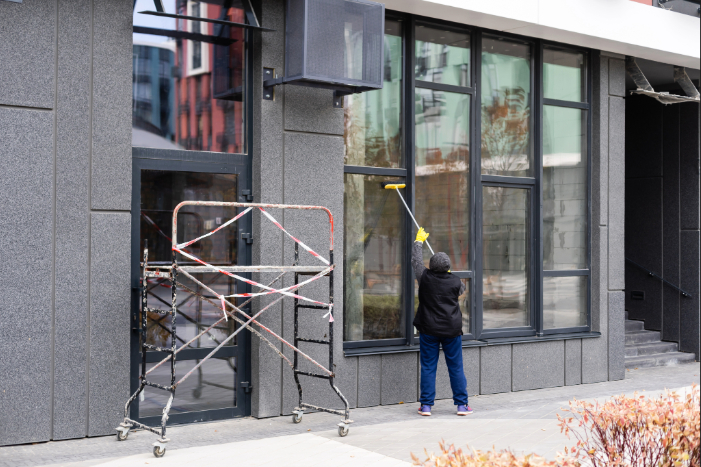
Managing Aging Properties With a Practical Maintenance Strategy
The cost of maintaining an aging commercial building increases when repairs are handled only after something fails. A more effective approach looks at the full property, identifies recurring patterns, prepares for seasonal demands, and plans upgrades before emergency decisions become necessary.
For commercial property managers and owners in Chicagoland, this proactive approach is especially important. Local weather places ongoing stress on building systems, and older properties need consistent attention to remain reliable. With the right maintenance structure, aging buildings can continue serving tenants well while protecting operational stability and long-term asset value.
Get a Quote for Your Property
One team. Multiple services. Less hassle.
Umbrella Property Services helps commercial property managers and owners maintain aging buildings with reliable repairs, preventative maintenance, seasonal support, and coordinated facility services. Our team provides comprehensive property support under one trusted partner, helping simplify vendor management and protect building performance.
Tell us a little about your property and what you need. We’ll follow up with a clear, no-pressure quote fast.