


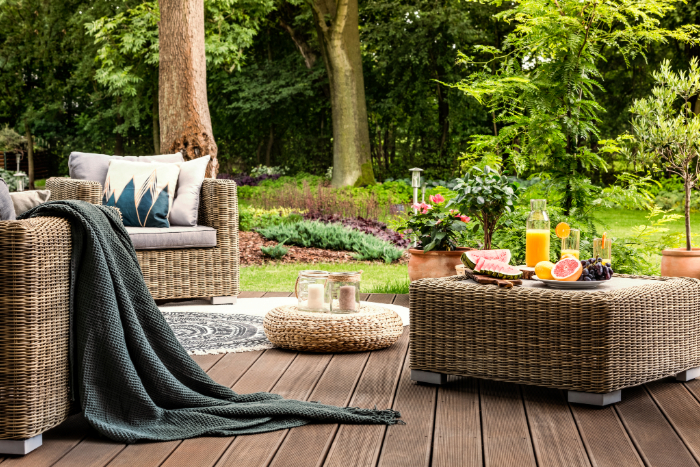
An outdoor living space should feel comfortable, practical, and ready to use. For homeowners, commercial properties, multifamily communities, and hospitality spaces across Chicagoland, a well-designed outdoor area can extend usable space, improve curb appeal, and create a better experience for guests. The key is planning a space that looks inviting while also standing up to regular use, changing weather, and seasonal demands.
In the Chicago area, outdoor spaces need to be designed with climate in mind. Warm, humid summers, rainy spring conditions, windy days, and cold winters all affect how patios, seating areas, lighting, materials, and landscaping should be planned. A successful outdoor entertaining area is not just about appearance. It should be built for comfort, durability, safety, and long-term maintenance.
Start With a Layout That Supports Comfortable Gathering
The layout is the foundation of any outdoor living space. Before choosing furniture, finishes, or lighting, it is important to define how the space will be used. Some properties need a quiet seating area for smaller gatherings, while others need larger zones for dining, hosting events, or creating a shared community environment. A clear layout helps prevent overcrowding and makes the space easier to maintain.
Seating should be arranged in a way that encourages conversation without blocking walkways, doors, or service access. For larger outdoor areas, separate zones can help create a more organized experience. A lounge area, dining space, fire feature, and open circulation path can all work together when each section has a clear purpose. This is especially important for properties that host residents, tenants, customers, or guests regularly.
In Chicagoland, layout planning should also account for seasonal comfort. Areas that receive strong sun exposure may need shade structures, umbrellas, or landscape screening. Wind exposure should also be considered, especially in open commercial or multifamily settings. A well-planned layout makes the space feel intentional while helping guests move through it safely and comfortably.
Choose Materials Built for Frequent Use and Changing Weather
Outdoor entertaining spaces need materials that can handle both foot traffic and Midwest weather. In the Chicago area, materials are exposed to moisture, freeze-thaw cycles, temperature swings, and regular seasonal maintenance. Choosing durable surfaces from the beginning reduces future repairs and helps the space maintain a professional appearance.
Pavers, concrete, composite decking, natural stone, and treated wood can all work well depending on the property type, budget, and intended use. The priority should be selecting materials that provide traction, drainage, and long-term stability. Smooth surfaces may look clean, but they can become slippery when wet. Materials should be evaluated for safety as well as appearance.
Furniture and fixtures should also be selected with durability in mind. Outdoor seating, tables, planters, railings, and shade structures should be able to withstand frequent use without creating ongoing maintenance concerns. For commercial and shared-use spaces, lightweight or fragile furniture can quickly become a liability. A stronger material strategy supports both guest comfort and long-term property value.
Plan Lighting for Safety, Visibility, and Evening Use
Lighting plays a major role in how an outdoor space feels after sunset. It supports safety, improves visibility, and helps extend the usability of the area into the evening. For entertaining spaces, lighting should be functional without feeling harsh or overwhelming.
A strong lighting plan usually includes multiple layers. Pathway lighting helps guide movement. Overhead lighting supports dining and gathering areas. Accent lighting can highlight landscaping, architectural features, or seating zones. Step lights and entry lighting are especially important for preventing trip hazards and improving access.
For Chicagoland properties, lighting should also be planned with shorter fall and winter daylight hours in mind. Even if the main outdoor entertaining season is spring through early fall, reliable lighting improves safety throughout the year. Fixtures should be rated for exterior use, protected from moisture, and positioned to reduce glare. A well-lit outdoor area communicates care, professionalism, and readiness.
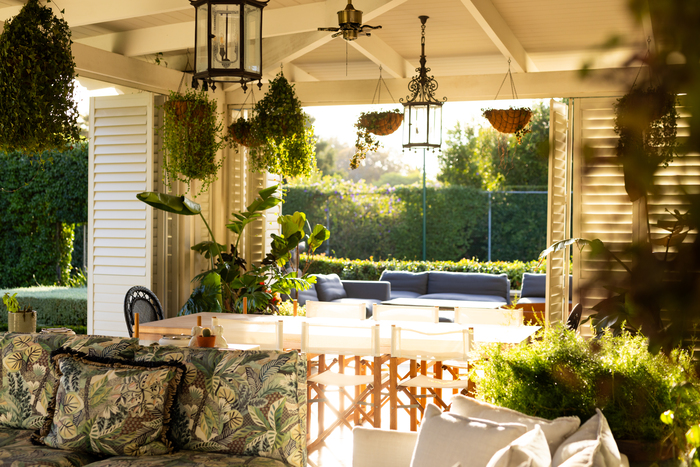
Create a Smooth Connection Between Indoor and Outdoor Spaces
The best outdoor living spaces feel connected to the building, not separate from it. Guests should be able to move easily between indoor and outdoor areas without confusion, congestion, or safety concerns. Doors, walkways, thresholds, and transitions all affect how natural the space feels.
For residential and commercial properties, the transition should be clear and accessible. Entry points should be easy to find, doors should operate properly, and walking surfaces should remain level and well maintained. If the outdoor area supports dining, events, or tenant use, the path between indoor amenities and outdoor seating should be simple and efficient.
Design details can also strengthen the connection between spaces. Similar materials, coordinated colors, consistent lighting, and aligned furniture placement can make the outdoor area feel like an extension of the interior. In Chicagoland, this connection is especially valuable because outdoor use is seasonal. When the space is designed well, it can be activated quickly during favorable weather and maintained more easily during colder months.
Build for Comfort, Maintenance, and Long-Term Use
Outdoor entertaining spaces should be attractive, but they also need to be manageable. A space that requires constant repair, cleaning, or adjustment can become a burden for property owners and managers. Planning for maintenance from the beginning helps protect the investment.
Drainage is one of the most important considerations. Patios, walkways, and seating areas should be designed to move water away from structures and high-use areas. Poor drainage can lead to staining, surface damage, slippery conditions, and long-term deterioration. Landscaping should also be selected with maintenance in mind, especially for properties that need a clean, professional appearance throughout the season.
Comfort features can make the space more usable. Shade, wind screening, outdoor-rated furniture, planters, and heating elements can all improve the guest experience when selected appropriately. The goal is to create an outdoor environment that feels welcoming while remaining practical for the property’s maintenance needs.

Design Outdoor Spaces That Are Built for Hosting
A successful outdoor living space does more than look good in photos. It supports real use. It gives guests a comfortable place to gather, helps traffic move smoothly, provides safe lighting, and uses materials that can handle frequent activity and changing weather.
For Chicagoland properties, this requires a thoughtful balance of design, durability, and preventative maintenance. The climate places real demands on outdoor surfaces, furniture, lighting, drainage, and landscaping. When those details are addressed early, the result is a more reliable and enjoyable space for entertaining.
Whether the goal is to improve a residential patio, enhance a commercial property, or create a shared outdoor amenity, a structured approach helps ensure the space is both attractive and functional. With the right planning and property support, outdoor areas can become valuable extensions of the building and dependable spaces for hosting.
Get a Quote for Your Property
One team. Multiple services. Less hassle.
Umbrella Property Services helps property owners and managers create and maintain outdoor spaces that are professional, functional, and built for regular use. From exterior improvements and grounds care to ongoing maintenance and repair support, our team provides comprehensive property services under one trusted partner.
Tell us a little about your property and what you need. We’ll follow up with a clear, no-pressure quote fast.